


What an AI SEO Agency Actually Does

What Does an AI SEO Agency Actually Do?

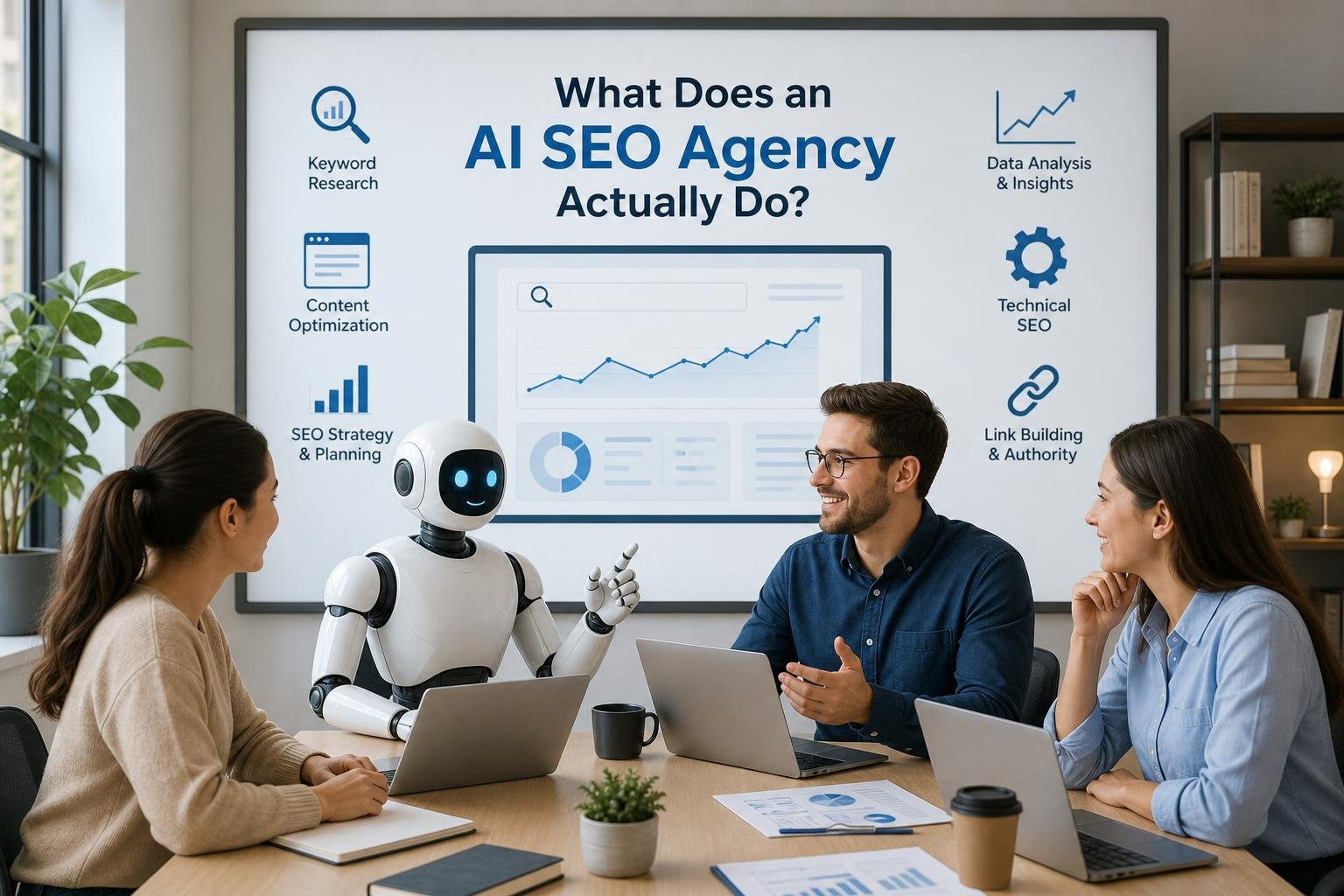
An AI SEO agency helps a brand become easier for AI-driven and traditional search platforms to understand, retrieve, and cite. For Australian organisations, that means building clearer content, stronger entity signals, and a more reliable search visibility strategy across ChatGPT, Google AI Overviews, Perplexity, Claude, Google, and Bing.

Key Takeaways

  • An AI SEO agency improves the likelihood that a brand appears in AI-generated answers by strengthening technical access, content clarity, and off-site authority signals.
  • Generative Engine Optimisation (GEO) focuses on making information easy for AI systems to extract, attribute, and explain, not just ranking a webpage for a keyword.
  • Australian brands need compliant, evidence-led content that avoids unsupported claims and reflects how local decision-makers evaluate search visibility partners.
  • The work combines expert strategy with AI-enabled measurement to help organisations diagnose visibility gaps and prioritise the next steps across AI search and traditional SEO.
  • The most important next step is to review current visibility through Generative Engine Optimisation (GEO) and identify where AI platforms may be missing or misreading the brand.

I am Amber Brazda, Managing Director at AuraSearch™, where I lead enterprise-level Generative Engine Optimisation (GEO) strategies for Australian brands. With deep experience in search engine technology and digital strategy, I help organisations understand how AI-driven retrieval systems are changing visibility, attribution, and buyer discovery.

An AI SEO agency manages how clearly a brand appears across generative search platforms and traditional search engines. Traditional SEO focuses on rankings, metadata, internal links, and technical site health. AI SEO adds another layer by shaping content so large language models can retrieve, interpret, and cite it accurately.

The phrase “what does an AI SEO agency actually do?” points to a practical question. A capable agency does not simply produce blog content with AI tools. It audits how search systems understand the brand, repairs technical barriers, builds citable content, and tracks whether the brand is becoming more visible in AI-generated answers.

A capable AI SEO agency also explains priorities in plain language. It connects technical fixes, content improvements, entity signals, and reporting so a prospective client can see how each task supports visibility.

This work helps organisations move from isolated SEO activity to a connected search visibility programme. The aim is not to control third-party platforms. The aim is to improve the signals those platforms can access when they evaluate which brands and sources to reference.

Feature Traditional SEO AI SEO and GEO
Primary focus Search rankings and organic visibility AI citations, answer inclusion, and Share of Model signals
Content unit Webpage or article Clear passage, entity, answer, or source reference
Search surface Google and Bing results ChatGPT, Google AI Overviews, Perplexity, Claude, Google, and Bing
Authority signal Technical health, backlinks, relevance, and topical depth Entity consistency, source clarity, retrieval access, and evidence quality
Reporting lens Traffic, ranking movement, and page performance Visibility gaps, citation likelihood, prompt coverage, and brand attribution

This wider view matters because buyers increasingly compare answers, recommendations, and summaries before they click through to a website. An AI SEO agency helps make the brand easier to find and easier to trust in that environment.

The Shift from Clicks to Citations

AI search changes the way people discover information by turning search results into direct answers. A user may ask ChatGPT, Perplexity, Claude, or Google AI Overviews for a recommendation, comparison, or explanation, then evaluate the answer before visiting any website.

That shift makes citation quality more important. Brands need pages that answer questions clearly, show subject expertise, and give AI systems enough context to associate the brand with the right services and topics.

The process maps prompts, entities, topics, and supporting pages together. This gives a clearer picture of where a brand appears, where it is absent, and which content or technical fixes should be prioritised.

Technical Retrieval and AI Extractability Audits

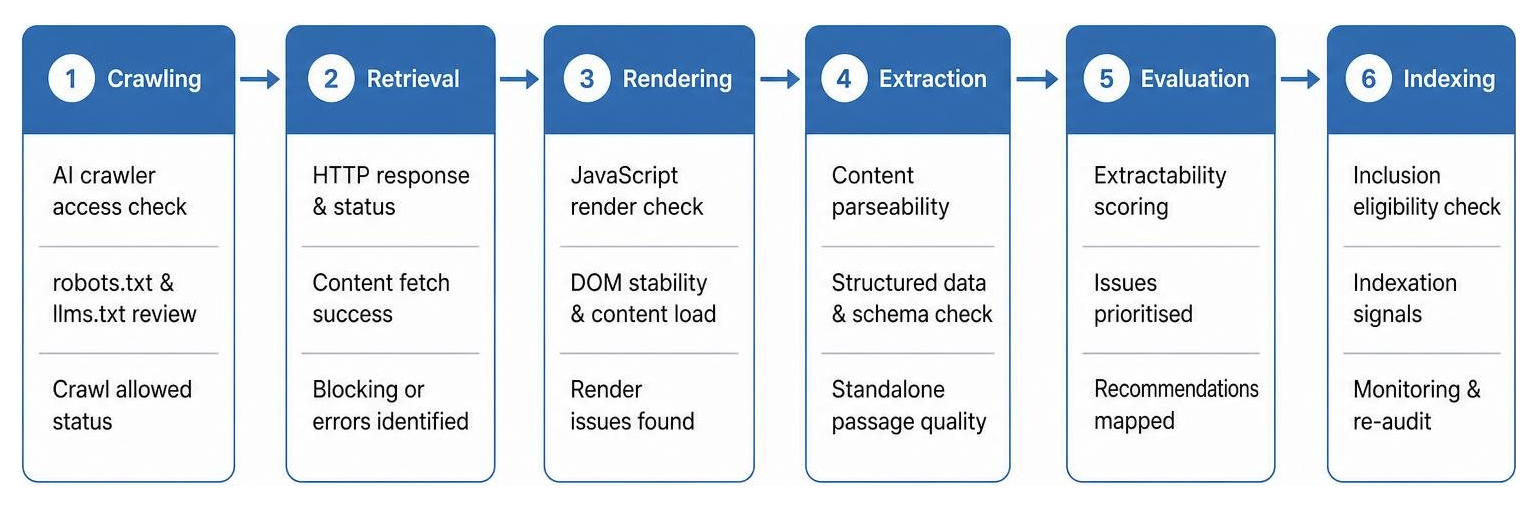
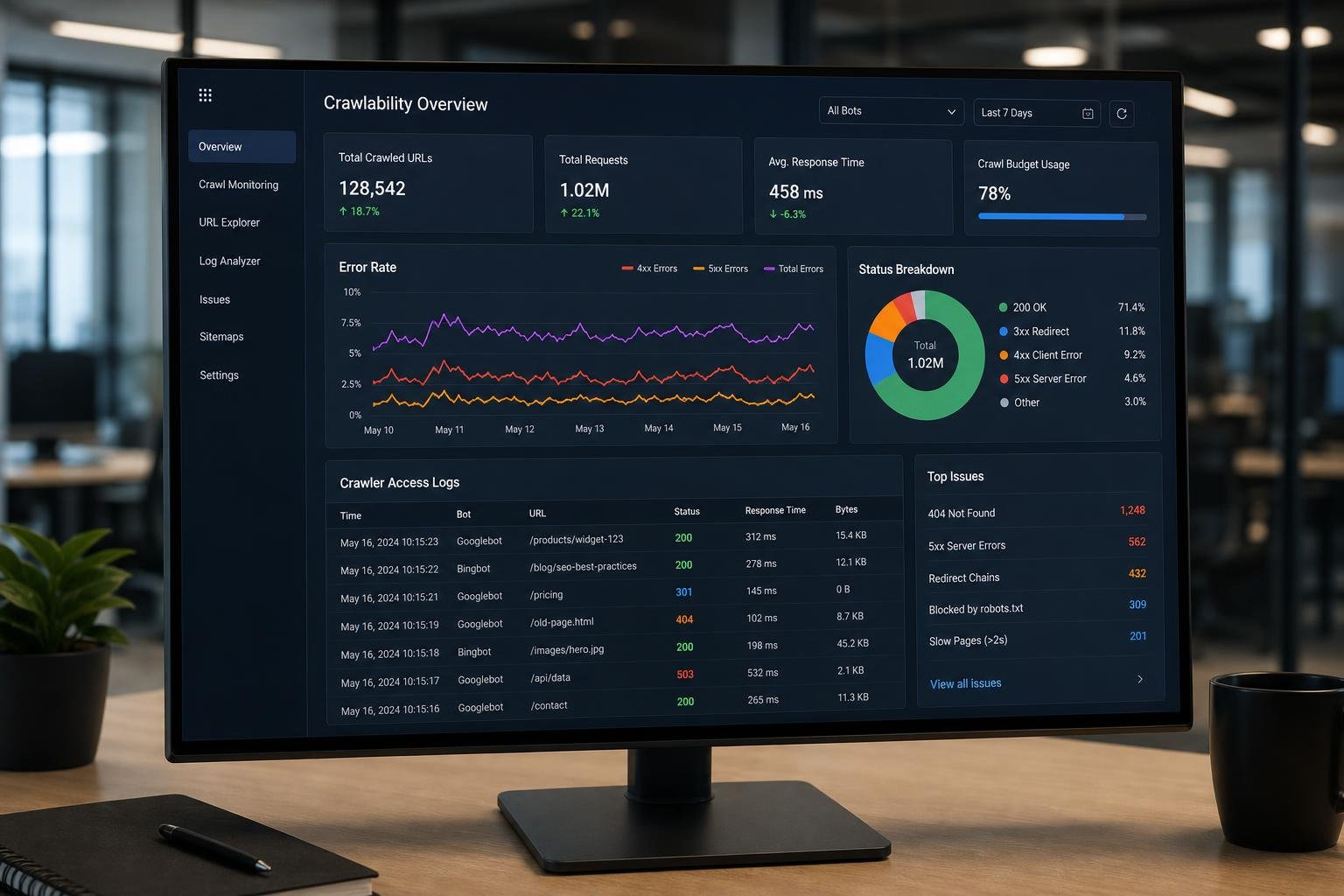
An AI SEO agency starts by checking whether search and AI crawlers can access the information that matters. Complex scripts, thin page structures, unclear headings, missing schema, and inconsistent service descriptions can all make content harder to retrieve.

Extractability audits assess whether key pages explain the brand, services, locations, and expertise in a format that search systems can process. The audit looks at crawl access, structured data, internal linking, heading hierarchy, indexation signals, and the clarity of important service content.

Managing crawler access also requires careful policy choices. Robots.txt and llms.txt files can help signal which automated systems may access content, but those files need to support visibility goals without exposing material that should stay restricted.

Structured data adds another layer of clarity. Article, FAQPage, Organisation, Product, and service-related schema can help search systems understand the relationship between the brand, its pages, and the topics it covers.

How Does an AI SEO Agency Optimise for Generative Search Engines?

An AI SEO agency optimises for generative search engines by combining technical SEO, content strategy, entity clarity, and AI visibility measurement. The work helps AI systems understand what a brand does, when it is relevant, and why its pages may deserve to be cited.

Generative search systems often retrieve external documents before producing an answer. Clear, structured, and well-supported content gives those systems a better foundation for accurate attribution. Weak structure, vague claims, or inconsistent brand information can reduce the likelihood that the content will be used.

A practical Generative Engine Optimisation (GEO) framework supports brands that need better visibility across AI SEO, traditional search, and emerging answer engines.

Passage-Level Engineering and Entity Clarity

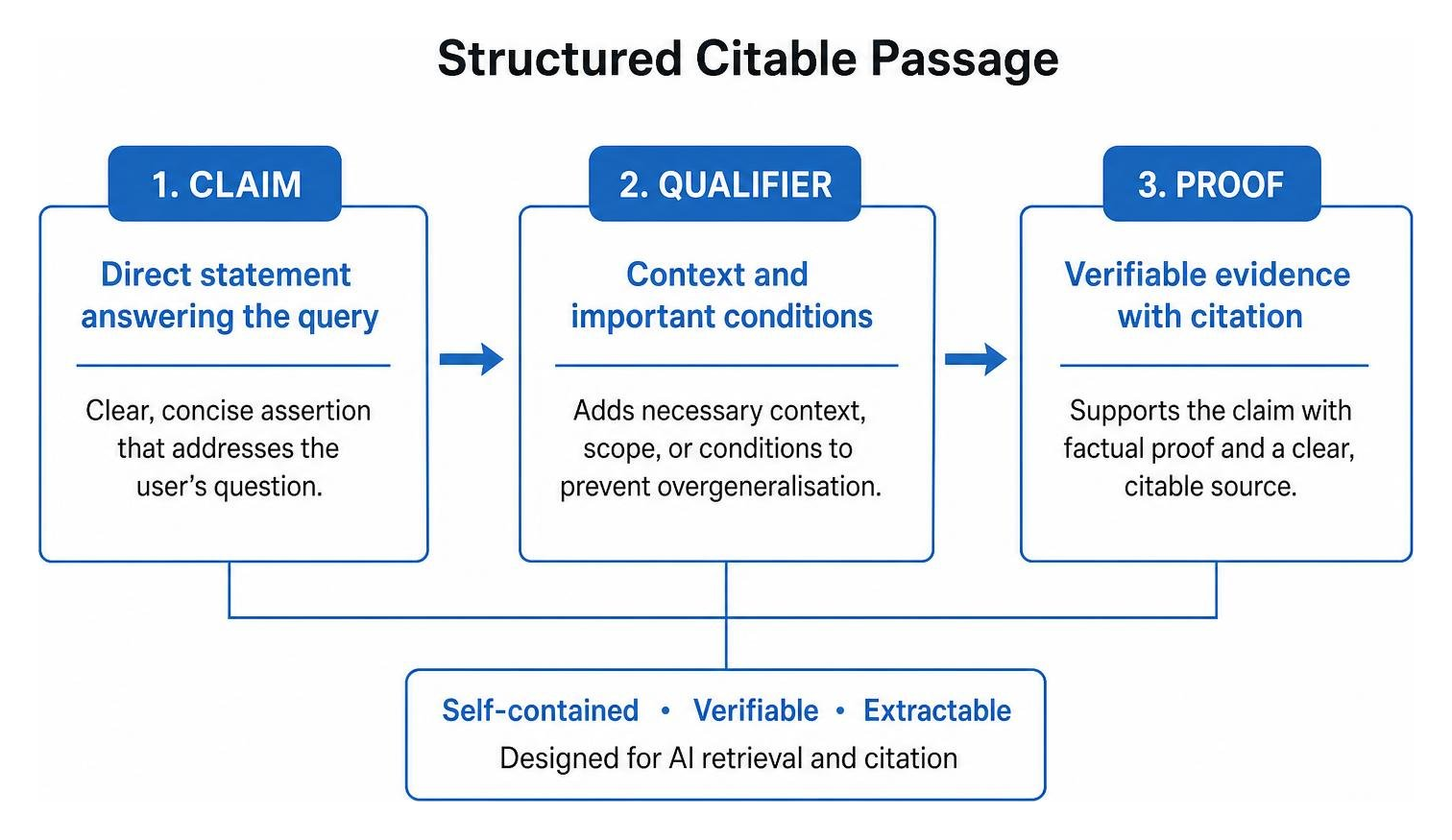
Passage-level engineering makes each important explanation useful on its own. A strong passage answers one question, names the relevant entity, explains the context, and avoids vague language that forces an AI system to infer too much.

For the keyword “what does an AI SEO agency actually do?”, the article should not force the exact phrase awkwardly into every paragraph. The better approach is to use natural grammar, such as “what an AI SEO agency actually does” or “what AI SEO agencies do,” while keeping the meaning clear.

Strong content structures direct answers, service definitions, comparison points, and evidence-led explanations. This helps AI systems connect the brand with the topics it should be known for, including AI search visibility, Generative Engine Optimisation (GEO), and AI Overview optimisation.

Entity clarity supports the same goal. A brand needs consistent names, service descriptions, author details, schema, and internal links so search systems can recognise the business across its website and wider digital footprint.

Multi-Platform Citation Building and Off-Page Ecosystems

AI visibility does not depend only on the brand website. AI systems may draw context from review platforms, public discussions, industry publications, knowledge sources, and other pages that mention the brand or its services.

An AI SEO agency reviews these off-page signals and looks for gaps in consistency, accuracy, and authority. The work may include digital PR, brand mention analysis, profile clean-up, expert commentary, and content distribution across relevant Australian contexts.

The goal is to assess whether third-party references support the same positioning found on the brand’s own site. This reduces confusion, strengthens entity recognition, and improves the chance that AI systems connect the brand with the right category.

Reporting, Prompt Tracking, and Strategic Prioritisation

AI SEO reporting looks beyond rankings and traffic. It tracks whether the brand appears for commercially relevant prompts, how it is described, which sources are cited, and which platforms show gaps.

Prompt tracking, Share of Model analysis, and visibility diagnostics turn AI search data into clear priorities. This helps organisations decide whether to focus first on technical access, service-page clarity, content depth, entity consistency, or off-page signals.

The reporting also keeps expectations realistic. Third-party platforms change their systems independently, so an agency can improve the quality and accessibility of brand signals without guaranteeing a specific placement or citation.

How Expert AI SEO Support Improves Search Visibility

Expert AI SEO support gives organisations a practical way to improve how search platforms read, compare, and describe their brand. The work combines technical capability, content strategy, entity optimisation, and transparent reporting so teams can understand where they stand and what to improve next.

An effective partner should make the work practical. That means explaining what needs to change, why it matters, and how each improvement supports visibility across ChatGPT, Google AI Overviews, Perplexity, Claude, Google, and Bing.

Specialist Services include AI search visibility strategy, Generative Engine Optimisation (GEO), AI Overview optimisation, and content systems built for retrieval. Organisations can also use Contact Us to discuss visibility priorities.

The commercial value comes from clearer decision-making. A brand can see whether its content is technically accessible, whether its service positioning is consistent, and whether AI platforms associate it with the right expertise.

This approach helps brands improve the signals that search and AI systems rely on, while keeping the strategy grounded in evidence, compliance, and realistic expectations.

FAQs

What is the difference between an AI SEO agency and a traditional SEO agency?

An AI SEO agency focuses on search visibility across AI-generated answers as well as traditional search results. A traditional SEO agency usually prioritises rankings, organic traffic, technical SEO, and content performance. AI SEO adds work around citation likelihood, entity consistency, prompt tracking, and content extractability.

How does an AI SEO agency measure success and track AI citations?

An AI SEO agency measures success by tracking visibility across prompts, platforms, sources, and brand descriptions. Reporting may include Share of Model signals, brand mention quality, citation patterns, prompt coverage, and traditional SEO metrics. This gives organisations a clearer view of whether AI systems understand and reference the brand accurately.

What is an AI extractability audit?

An AI extractability audit checks whether AI and search crawlers can access, parse, and interpret website content. It reviews crawl access, page structure, schema, internal links, headings, and the clarity of key service information. The goal is to remove technical and content barriers that make the brand harder to retrieve.

How long does it take to see results from an AI SEO engagement?

AI SEO results vary because third-party search and AI platforms control their own crawling, ranking, and answer-generation systems. Technical fixes and content improvements can create clearer signals quickly, but citation patterns usually depend on platform updates, indexing behaviour, and the strength of supporting sources. AuraSearch™ frames timelines around evidence and ongoing measurement rather than fixed guarantees.

What are the core pillars of an AI SEO strategy?

The core pillars of an AI SEO strategy are technical retrieval, content extractability, entity clarity, off-page authority, and measurement. Technical retrieval helps crawlers access the right pages, content extractability makes answers easier to use, and entity clarity helps platforms understand the brand. Off-page authority and measurement show whether the wider search ecosystem supports the same positioning.

What red flags should businesses watch out for when evaluating AI SEO agencies?

Businesses should be careful with agencies that promise guaranteed rankings, guaranteed AI citations, or instant outcomes. A credible AI SEO agency should explain its methodology, show how it measures visibility, and connect its recommendations to technical, content, and entity signals. It should also avoid vague reporting that simply relabels standard SEO activity as AI search optimisation.

Can an AI SEO agency help prevent AI hallucinations about a brand?

An AI SEO agency can reduce the risk of inaccurate AI-generated descriptions by improving the consistency and clarity of brand information. It can strengthen service pages, schema, author signals, and third-party references so platforms have better material to interpret. The agency cannot control third-party AI outputs, but it can improve the information environment those systems rely on.

Recent Posts

By Amber Brazda • September 28, 2026
Discover how AI-powered local SEO for Google Business Profile optimization service businesses boosts visibility, trust, and discovery.

By Amber Brazda • September 25, 2026
Australian accounting practices can improve AI search visibility by combining responsible AI adoption with clear expertise, structured data, and compliant local content.

By Amber Brazda • September 24, 2026
AI SEO for medical clinics in Australia helps healthcare providers improve search visibility with clear content, structured data, and compliant local strategy.
By Amber Brazda • September 24, 2026
Learn how to improve agent AI search rankings with Australian-focused guidance on technical SEO, content authority, and sustainable AI search visibility.
By Amber Brazda • September 23, 2026
Learn how Accounting AI SEO helps your firm get cited in generative engines like ChatGPT and Google AI Overviews with expert optimization strategies.
By Amber Brazda • September 18, 2026
Learn how to rank in ChatGPT answers with practical AI visibility, entity authority, and citation tracking strategies for generative search.
By Amber Brazda • September 17, 2026
Learn how to choose the best AI SEO agency for manufacturing industry searches, with practical criteria for Australian suppliers.

By Amber Brazda • September 11, 2026
Find an expert answer engine optimization agency to boost your AI search visibility with structured data, citation tracking, and multi-platform strategies.

By Amber Brazda • September 10, 2026
Learn how AI traffic affects chiropractic practices and how AuraSearch™ helps improve visibility across AI search platforms and traditional search.

By Amber Brazda • September 10, 2026
Discover what is the best AI SEO strategy for higher education to boost student recruitment through generative engine optimization.
Show More