

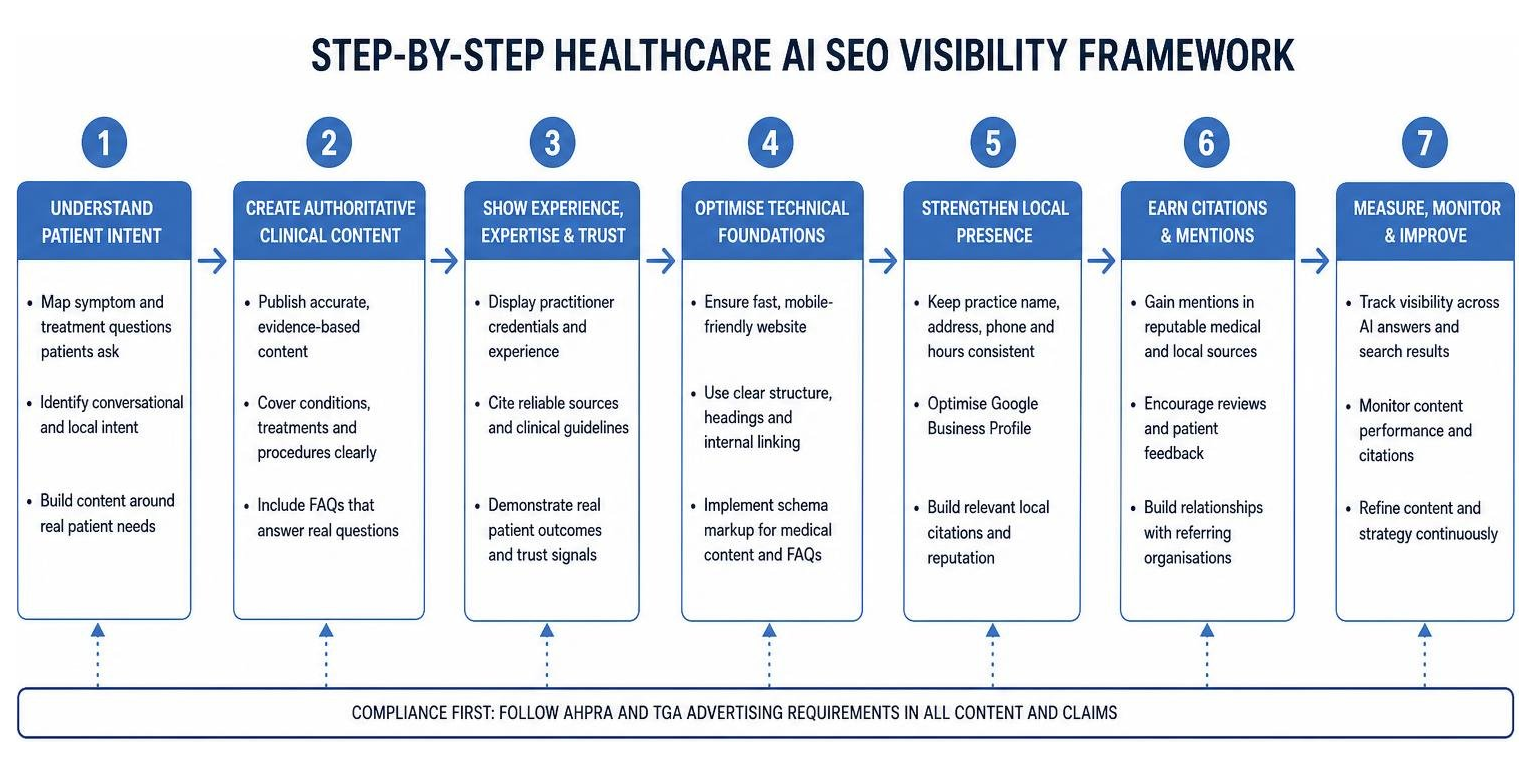
How AI is Rewriting the Script for Medical SEO in Australia

AI SEO for Medical Clinics in Australia

AI SEO for medical clinics in Australia helps healthcare providers become easier to find across Google, Bing, ChatGPT, Google AI Overviews, Perplexity, and Claude.

It combines traditional search foundations with Generative Engine Optimisation (GEO), so medical content is clear, trustworthy, locally relevant, and easier for answer engines to understand.

Key Takeaways

  • AI SEO for medical clinics in Australia works best when clinical content, local practice data, and technical structure support the same patient search intent.
  • Generative Engine Optimisation (GEO) helps healthcare pages become easier for answer engines to summarise, cite, and connect with relevant Australian searches.
  • Australian healthcare content needs clear practitioner credentials, careful wording, and alignment with Australian Health Practitioner Regulation Agency (AHPRA) and Therapeutic Goods Administration (TGA) advertising expectations.
  • AuraSearch™ can help clinics connect technical optimisation, content structure, and compliant search strategy through its Healthcare and Fintech AI SEO service.

I am Amber Brazda, AI Search Specialist at AuraSearch™, with more than a decade of experience building Australian search authority and leading digital strategy. My work in AI SEO for medical clinics in Australia connects proven search foundations with Generative Engine Optimisation (GEO) to help healthcare organisations build trusted visibility across search engines and generative answer platforms.

Why AI SEO for Medical Clinics in Australia Now Needs a Different Approach

Patient search behaviour across Australia has shifted toward conversational discovery. People no longer rely only on short keyword searches. They ask platforms such as ChatGPT, Perplexity, Claude, and Google AI Overviews about symptoms, treatment pathways, locations, referral needs, and clinic suitability.

Medical organisations now need pages that answer those questions directly. Search engines and answer engines look for clear entity signals, trusted clinical context, and consistent local information before they surface healthcare content.

This approach connects content strategy, entity optimisation, local search structure, and technical SEO. The aim is to improve how clearly a clinic can be understood, assessed, and considered for relevant search results.

How Medical Search Intent Has Become More Conversational

Modern patients often describe what they feel before they know the clinical term. They may search around pain patterns, recovery expectations, eligibility, location, or the type of practitioner they need.

Large Language Models (LLMs) interpret these prompts by connecting plain-language descriptions with recognised medical entities. That means medical pages need simple explanations, accurate terminology, and direct answers near the top of each page.

Strong healthcare content should explain symptoms, services, practitioner qualifications, next steps, and referral context in plain Australian English. It should avoid claims that sound certain, promotional, or clinically definitive.

AI SEO for medical clinics in Australia also needs careful balance. The content must be understandable for patients and structured enough for search systems to extract reliable answers.

What Makes Healthcare Content Easier for Answer Engines to Use

Generative platforms favour information that is easy to extract, verify, and compare. A clinic page should make the main answer obvious before adding detail.

Clear summary blocks, question-led sections, tables, and concise service explanations all support answer engine readability. These formats help crawlers identify the purpose of a page without vague marketing copy.

Strategy Dimension Traditional Medical SEO AI Answer Engine Optimisation
Primary aim Rank service and information pages in search results Earn clearer consideration inside AI-generated answers
Query style Short service keywords and local modifiers Conversational symptom, service, and location prompts
Content structure Full landing pages and resource articles Direct summaries, question-led sections, and structured data
Trust signals Backlinks, reviews, and domain authority Practitioner credentials, schema, source clarity, and clinical review
Measurement Clicks, impressions, and keyword positions AI visibility, citation frequency, sentiment, and share of voice

Healthcare pages should include practitioner credentials, clinic locations, service boundaries, and factual clinical context. They should also link claims to trusted Australian sources when they discuss regulation, advertising rules, or clinical obligations.

Technical Structure and Compliance Need to Work Together

Technical structure gives search systems the context they need to understand a medical website. Schema markup, internal linking, page speed, secure architecture, and clean navigation all support discoverability.

Medical clinics commonly use structured data types such as MedicalClinic , MedicalOrganization , Physician , MedicalProcedure , and FAQPage . These schema types help search systems connect clinicians, facilities, locations, and services.

Local visibility also depends on consistent Name, Address, and Phone (NAP) data. Clinics with multiple locations need accurate suburb, city, and service-area information across their website and relevant Australian directories.

Compliance matters just as much as structure. Australian healthcare advertising must stay aligned with AHPRA advertising guidelines and TGA advertising regulations. Clinics should avoid misleading treatment claims, prohibited testimonials, and promises about clinical outcomes.

Healthcare brands can review these visibility signals through technical content modelling and human-led quality checks. This helps clinics present clearer, safer information without inflated claims.

Practical Priorities for Australian Medical Clinics

Medical clinics can improve AI search visibility by making each important page easier to understand. The priority is clear patient intent, not keyword repetition.

Service pages should answer the most likely patient questions quickly. They should explain who the service is for, what the practitioner assesses, what information a patient may need, and when a clinical appointment or referral may be appropriate.

Location pages should describe the clinic, the surrounding service area, practitioner availability, and access information using Australian place names. They should avoid overseas compliance frameworks and language that does not fit the Australian healthcare system.

Content teams should also maintain practitioner profile pages. These pages can include registration details, qualifications, clinical interests, and review responsibilities. They help patients and search systems understand why the clinic is a credible source.

A connected content architecture creates a practical pathway from technical improvement to stronger search visibility without guaranteeing third-party placements.

Medical clinics that want a broader visibility review can explore AuraSearch Services or contact the team through Contact AuraSearch.

Building Stronger Medical Search Visibility in Australia

Australian healthcare discovery now depends on how clearly a clinic communicates its expertise, services, locations, and compliance signals. Traditional SEO still matters, but AI search adds another layer of interpretation.

A connected strategy brings medical SEO, technical structure, entity optimisation, and Generative Engine Optimisation (GEO) together. That approach helps healthcare providers improve visibility across ChatGPT, Google AI Overviews, Perplexity, Claude, Google, and Bing while keeping content factual and measured.

The strongest results come from clear information architecture, compliant healthcare language, and human review. The focus is improving visibility and citation likelihood, not promising control over third-party search systems.

For clinics ready to strengthen medical search visibility, the next step is to review the full range of AuraSearch Services or speak with the team through Contact AuraSearch.

FAQs

How does AI SEO help medical clinics in Australia?

AI SEO helps medical clinics in Australia make services, locations, credentials, and patient information easier for search systems to understand. It combines traditional SEO with Generative Engine Optimisation (GEO), structured data, and clear healthcare content. This improves visibility signals across search engines and answer platforms, although third-party results still vary.

Why is healthcare content different from general SEO content?

Healthcare content needs a higher level of accuracy, trust, and regulatory care. Medical pages should avoid exaggerated claims, unsupported treatment promises, and wording that could mislead patients. Clear practitioner credentials, clinical review processes, and compliant language support safer search visibility.

What schema markup should Australian medical clinics use?

Australian medical clinics commonly use MedicalClinic , MedicalOrganization , Physician , MedicalProcedure , and FAQPage schema markup. These schema types help search systems understand the relationship between clinicians, clinic locations, services, and patient resources. Accurate local details also help connect the clinic with relevant Australian searches.

How can clinics improve visibility in ChatGPT and Google AI Overviews?

Clinics can improve visibility signals by publishing clear, factual, well-structured content that answers patient questions directly. Pages should define services, explain clinical context, show practitioner expertise, and maintain consistent local information. Technical SEO, schema markup, and trusted Australian references support stronger interpretation by answer engines.

What role does compliance play in medical AI SEO?

Compliance guides how medical information can be promoted and explained in Australia. Clinics should align website content with AHPRA and TGA advertising expectations, especially when discussing treatments, outcomes, and patient experiences. Safer wording helps protect patients and reduces the risk of misleading search content.

How can expert support strengthen medical AI SEO?

Expert support can connect technical optimisation, content strategy, entity modelling, and human-led review. The work focuses on improving how clearly a healthcare provider appears across search engines and AI-driven answer platforms. Outcomes depend on third-party factors, so the strategy avoids guarantees and focuses on measurable visibility improvement.

Recent Posts

By Amber Brazda • September 24, 2026
Learn how to improve agent AI search rankings with Australian-focused guidance on technical SEO, content authority, and sustainable AI search visibility.
By Amber Brazda • September 23, 2026
Learn how Accounting AI SEO helps your firm get cited in generative engines like ChatGPT and Google AI Overviews with expert optimization strategies.
By Amber Brazda • September 18, 2026
Learn how to rank in ChatGPT answers with practical AI visibility, entity authority, and citation tracking strategies for generative search.
By Amber Brazda • September 17, 2026
Learn how to choose the best AI SEO agency for manufacturing industry searches, with practical criteria for Australian suppliers.

By Amber Brazda • September 11, 2026
Find an expert answer engine optimization agency to boost your AI search visibility with structured data, citation tracking, and multi-platform strategies.
By Amber Brazda • September 10, 2026
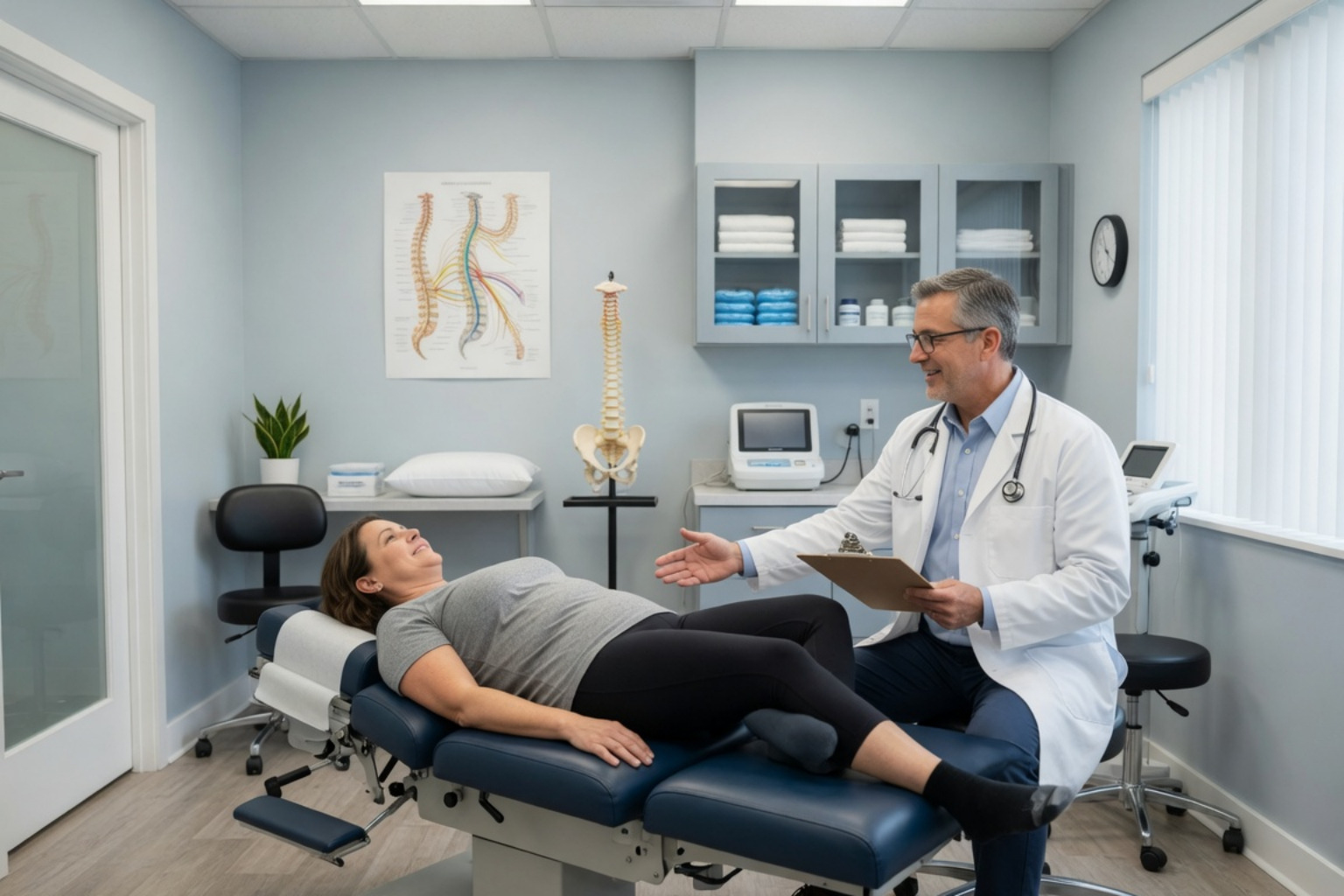
Learn how AI traffic affects chiropractic practices and how AuraSearch™ helps improve visibility across AI search platforms and traditional search.

By Amber Brazda • September 10, 2026
Discover what is the best AI SEO strategy for higher education to boost student recruitment through generative engine optimization.
By Amber Brazda • September 8, 2026
Discover how ai seo audit report tools evaluate visibility, citability and LLM accessibility to boost your generative search performance.

By Amber Brazda • September 7, 2026
AI SEO for Adelaide listings helps real estate agencies improve property discovery with structured data, suburb context, and clearer AI search signals.

By Amber Brazda • September 3, 2026
Learn how law firm generative visibility boosts AI citations from ChatGPT, Perplexity & Google AI Overviews.
Show More