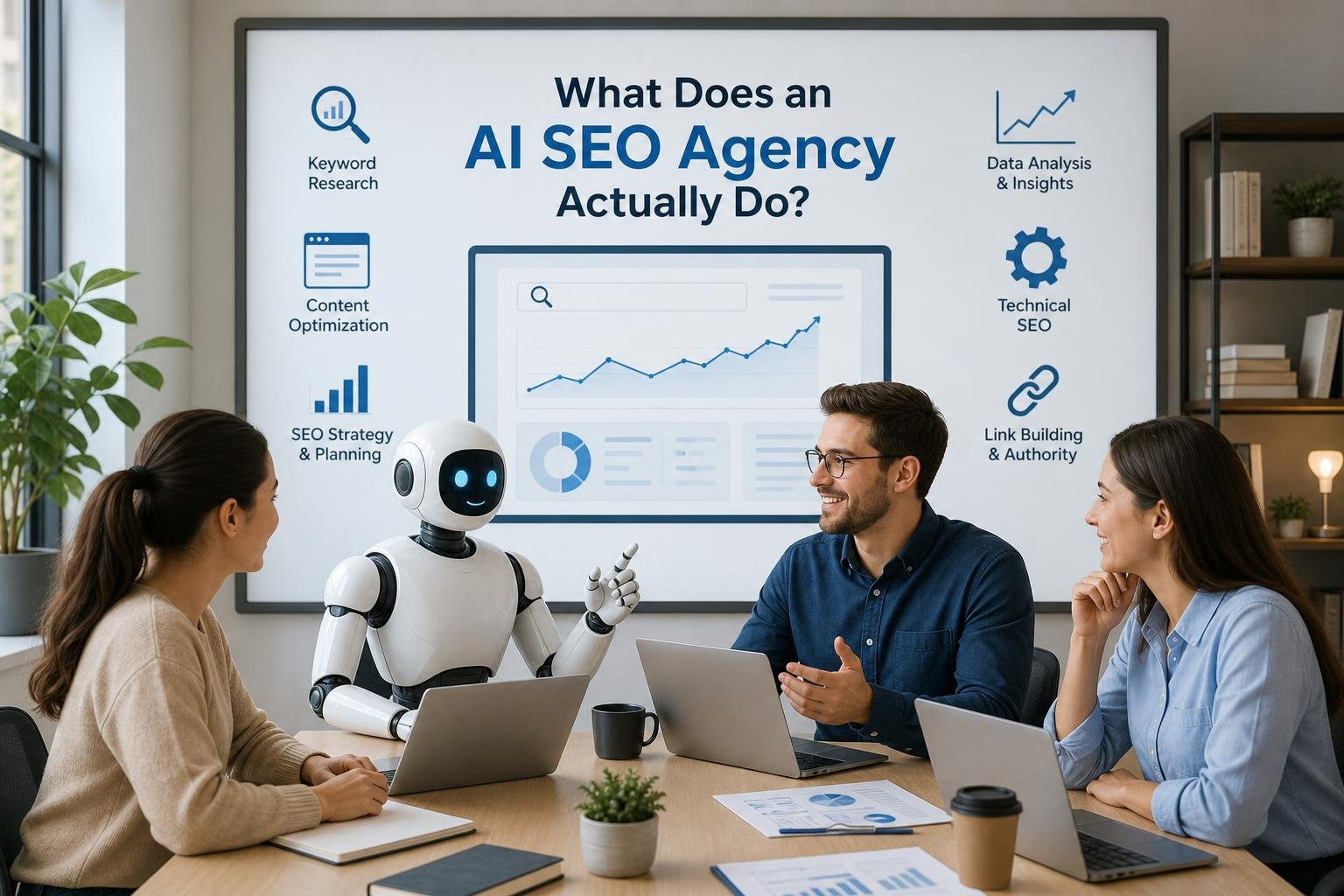


Answer Engine Optimization 101

What Is Answer Engine Optimisation (and Why It Matters Now)

Search behaviour has shifted. Users increasingly receive synthesised answers from AI engines rather than scrolling through a list of blue links. NerdWallet's revenue grew 35% in 2024 even as monthly traffic fell 20%, illustrating a pattern now visible across industries: visibility in AI-generated answers can drive commercial outcomes independent of traditional traffic volume.

Key Takeaways

  • Traditional search volume is projected to drop 25% by 2026 as AI answer engines become the default research tool for millions of users (Gartner).
  • AI-referred visitors convert at 4.4 times the rate of traditional organic search visitors, meaning citation quality now outweighs click volume as a growth signal (Semrush, 2025).
  • Pages meeting at least 12 of the GEO-16 content framework's criteria achieve a 78% cross-engine citation rate, demonstrating that structured optimisation produces measurable results.
  • Organic rankings remain the foundation: 99% of URLs cited in Google AI Mode already appear in the top 20 organic search results, so AEO builds on SEO rather than replacing it.
  • AuraSearch's AI Visibility Diagnostics identify exactly where AI models currently cite your brand versus competitors, creating a clear starting point for closing the visibility gap.

I am Amber Brazda, AI Search Specialist at AuraSearch, where I lead strategy at the intersection of traditional search authority and Answer Engine Optimisation, with a track record of moving clients from complete absence in AI Overviews to becoming the featured source for high-value commercial queries within 90 days. The sections below lay out exactly how citation mechanics work, what signals drive them, and how to build a sustainable presence across every major AI answer engine.

The implication is direct. Brands that are not cited inside AI answers are effectively invisible at the moment a buyer forms their opinion.

Introduction to Answer Engine Optimization

AI answer engines do not rank pages using traditional index parameters. Instead, these systems assemble answers by extracting and synthesising information across multiple high-authority sources. The process relies on three distinct operational stages: retrieval, synthesis, and citation.

During the retrieval stage, the engine searches the web or its proprietary index to gather documents matching the semantic intent of the query. The synthesis stage processes this retrieved data through a large language model to draft a natural, cohesive response. Finally, the citation stage appends clickable source links to verify the claims made in the generated text.

Securing a place in this citation flow requires precise technical preparation. Crawlers must have immediate, unobstructed access to website content. Businesses should inspect their configuration files to ensure bots like GPTBot, PerplexityBot, and Google-Extended are not blocked.

Structured data provides the semantic framework that these crawlers use to parse information. Implementing JSON-LD structured data, specifically FAQPage schema, signals explicit question-and-answer pairs directly to search agents. Research shows that pages with FAQPage schema achieve a 41% citation rate compared to just 15% for pages without it.

Content freshness also dictates modern citation probability. AI bots target recent data, with 65% of bot hits focusing on content published within the past year. Regular updates ensure that the systems view the website as an active, reliable authority.

Topical authority and entity clarity represent the structural pillars of a modern digital presence. The GEO-16 framework demonstrates that pages hitting at least 12 content pillars reach a 78% cross-engine citation rate. Furthermore, a 2026 generative search optimisation paper reported a 17.3% average citation improvement from tested optimization approaches, alongside an 18.5% subjective quality gain.

A separate analysis showed citation probability rising from 47% to 56% when sites added precise content signals. An AP News benchmark on AEO providers reported 79.1% mention inclusion overall and 95.8% on citation-enabled surfaces. Traditional metrics fail to capture these shifts, as zero-click searches now account for roughly 60% of all queries.

Dimension Traditional SEO Answer Engine Optimisation (AEO)
Primary Goal Rank pages in the top 10 blue links to drive click-through traffic Secure citations and brand mentions inside AI-generated answers
Core Metric Organic keyword rankings, impressions, and website clicks Citation frequency, share of voice, and brand presence score
Search Intent Keyword-based queries and informational search terms Conversational natural language prompts and multi-turn questions
Content Structure Long-form articles, keyword insertion, and backlink volume Answer-first paragraphs, evidence density, and clear entity definitions
Technical Focus Crawlability, page speed, mobile optimization, and XML sitemaps AI crawler access, schema markup, and JSON-LD structured data

The Strategic Advantage of AuraSearch

We provide comprehensive AuraSearch Generative Engine Optimisation services to help businesses capture high-value citations across AI search engines. Our team leverages advanced data modelling to map how different AI models perceive brand entities across the web. This technical capability ensures that structured data, JSON-LD files, and AI crawler permissions remain perfectly aligned with model requirements.

We focus on entity optimisation to build undeniable brand authority that forces engines like ChatGPT, Gemini, and Perplexity to trust your business as a primary source. Our approach increases both citation rate and share of voice, turning conversational search into a predictable channel for qualified conversions. Contact us today to secure your position in the future of search.

FAQs

What is Answer Engine Optimization?

Answer Engine Optimization is the practice of structuring and formatting digital content so AI-powered tools can easily extract and cite it. This discipline ensures that systems like ChatGPT, Perplexity, and Google AI Overviews display your brand as a trusted source for user prompts. For a deeper understanding of the core concepts, you can review Coursera's guide to Answer Engine Optimization.

How does AEO differ from traditional SEO?

Traditional SEO focuses on ranking pages within search engine results to drive direct clicks to a website. Answer Engine Optimisation targets inclusion and citation within the synthesised text block generated by an AI assistant. To explore how these strategies diverge in practice, read our analysis on Beyond Keywords: Optimising Content for the AI Search Era.

Do backlinks still matter for AEO?

Backlinks remain highly relevant because they establish the underlying domain authority that AI engines use to filter trustworthy sources. These models cross-reference information across the web to verify facts before citing a brand. Learn more about how authority signals influence AI recommendations in The AI Search Playbook: Mastering the New Ranking Factors.

How do I measure Answer Engine Optimization success?

Success is measured through citation frequency, share of voice across key prompts, and brand presence inside AI-generated summaries. Traditional analytics tools cannot track these metrics because many interactions end without a website click. We outline the complete framework for tracking these metrics in The Definitive Guide to AI Search Visibility.

Will AEO replace traditional SEO?

AEO is a complementary strategy that builds on top of strong SEO foundations rather than replacing them. Traditional search engines still drive significant traffic, while AI engines capture users seeking direct, immediate answers. For additional strategic insights on balancing both approaches, refer to HubSpot's Answer Engine Optimization Guide.

How long does AEO take to show results?

Technical adjustments like modifying crawler access and adding structured schema can yield citation improvements within a few weeks of a fresh crawl. Building the comprehensive topical authority and external corroboration required for competitive queries typically takes three to six months. Discover actionable ways to accelerate this timeline in 12 Proven AI Search Engine Tactics for LLM Visibility.

Recent Posts

By Amber Brazda June 29, 2026
Learn the 5-step framework for optimizing your content for inclusion in AI search answers with schema, extractable passages and entity alignment.
By Amber Brazda June 26, 2026
Learn how to accountant AI overviews optimise your firm’s visibility with five proven steps for higher rankings and traffic.
By Amber Brazda June 25, 2026
Track and improve ai search content performance metrics with proven KPIs, citation tracking, and technical frameworks for AI visibility.
By Amber Brazda June 24, 2026
Build an effective AI SEO Strategy with this 2026 checklist to boost visibility in AI Overviews and generative search.
By Amber Brazda June 23, 2026
Discover how ai keyword strategy development transforms semantic search visibility with AuraSearch’s AI-powered clustering and entity optimisation.
By Amber Brazda June 22, 2026
Master ai overview ranking tips with data-backed strategies to optimize content, authority signals, and visibility in Google AI Overviews.
By Amber Brazda June 19, 2026
Recover AI organic traffic with generative engine optimisation strategies that boost entity clarity, schema markup, and AI Overview citations for lasting visibility.
By Amber Brazda June 18, 2026
Learn how to run an AI Visibility Audit that measures brand presence in AI search, tracks citations, and improves generative engine rankings.
By Amber Brazda June 17, 2026
Master generative search engine seo with proven strategies that boost AI visibility, citations, and brand authority in ChatGPT, Perplexity, and Gemini.
By Amber Brazda June 16, 2026
Secure dentist spot AI results and boost patient acquisition with AI search visibility and clinical optimisation.
Show More