


How AI Search Is Reshaping Content Marketing Discovery in 2026
AI is Eating Your Organic Traffic. Here is Your New Content Strategy.
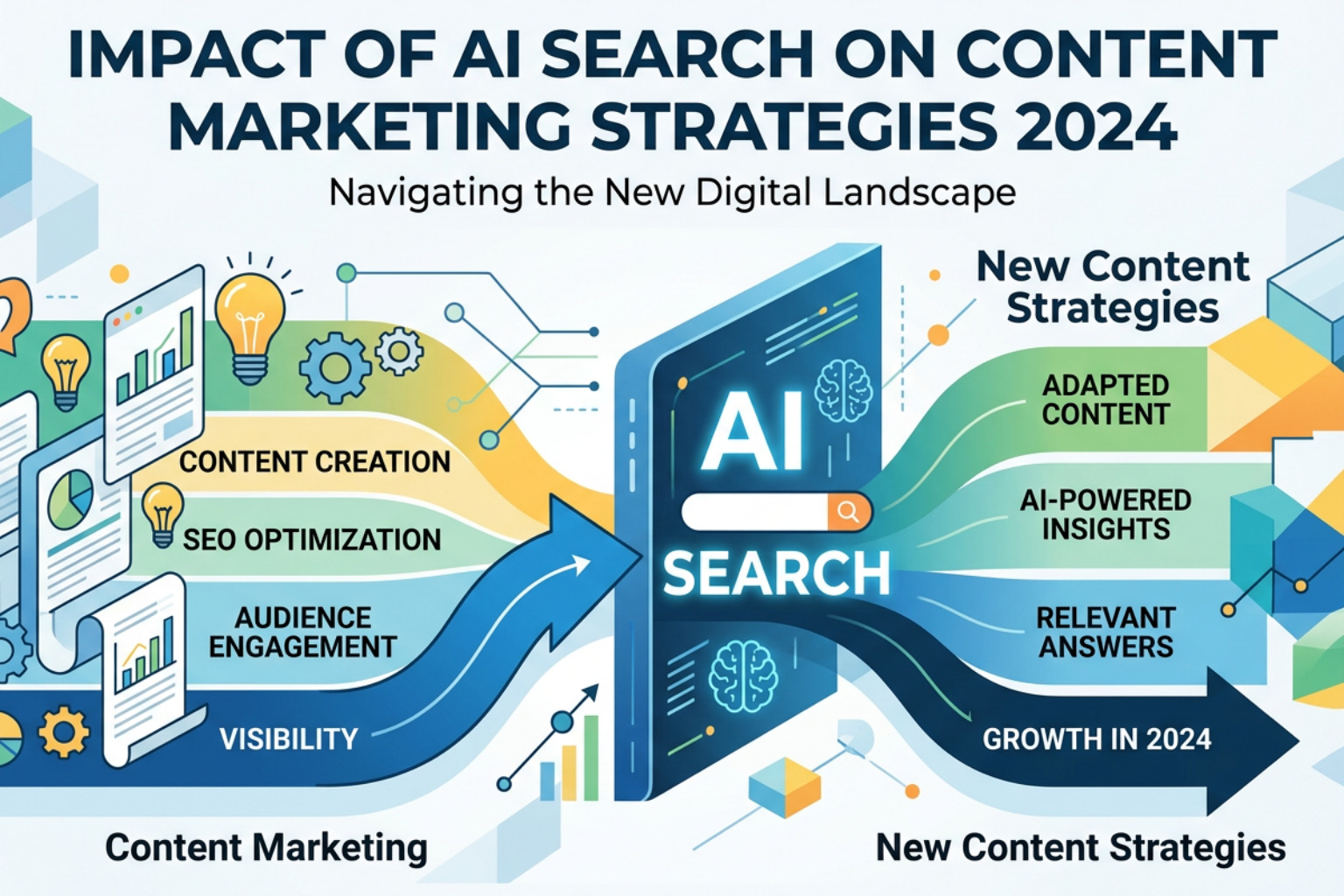
The impact of AI search on content marketing strategies in 2026 is already changing how people find, compare, and trust brands online. If your content strategy still depends only on ranking for blue-link clicks, now is the time to rethink what visibility means.
Key Takeaways
- AI search is pushing more discovery into zero-click answers, so brands need to earn citations, not just rankings.
- Content marketing strategies now need clearer structure, stronger expertise, and better crawlability for generative engines.
- AI-referred visitors can be more qualified, which makes citation visibility valuable even when total organic clicks decline.
- Reddit, Quora, and other third-party platforms matter because AI systems often use them to validate real-world perspectives.
- AuraSearch helps brands improve visibility across traditional search and AI-powered platforms like ChatGPT, Gemini, and Google AI Overviews.
I am Amber Brazda, AI Search Specialist at AuraSearch. I help brands understand the impact of AI search on content marketing strategies and turn that shift into a practical plan for earning visibility inside generative answers.
Key Takeaways
- Zero-click search results now resolve 60% of traditional queries, requiring a fundamental shift from click-acquisition to digital citation dominance.
- Visitors arriving from AI engines convert at a rate 4.4 times higher than traditional search visitors due to highly refined pre-qualification.
- Third-party platforms like Reddit and Quora represent the most highly cited domains in Google AI Overviews, demanding a diversified content footprint.
- Securing visibility in generative engines requires a dedicated transition from legacy keyword-stuffing to technical Generative Engine Optimisation.
- Partnering with AuraSearch provides the precise data modeling and schema integration needed to secure brand citations within leading large language models.
What AI Search Changes for Content Marketing
Generative engines have changed the path of digital discovery. Instead of showing only a list of links, platforms such as Google AI Overviews, ChatGPT, Perplexity, and Gemini can summarise information from several sources and give the user a direct answer.
That means your content has two jobs now. It still needs to rank in traditional search, but it also needs to be clear, credible, and structured enough for AI systems to understand and cite. If you want a deeper primer, start with The AI Search Revolution: Everything You Need to Know.
Why Clicks Are No Longer the Only Signal That Matters
AI search has made zero-click behaviour a bigger part of the customer journey. Many users now get enough information from the search result or AI answer to move forward without visiting every source behind it.
For content marketers, that can feel frustrating. But it also creates a new opportunity. When an AI answer cites or recommends your brand, the user may arrive later with more context, more trust, and stronger intent. That is why brand mentions, citation share of voice, AI search impressions, and assisted conversions now deserve a place beside rankings and organic sessions.
The practical takeaway is simple: do not measure success only by traffic volume. Measure whether your brand is being included in the answers your prospects see before they ever click.
How to Adapt Your Content Strategy for AI Search
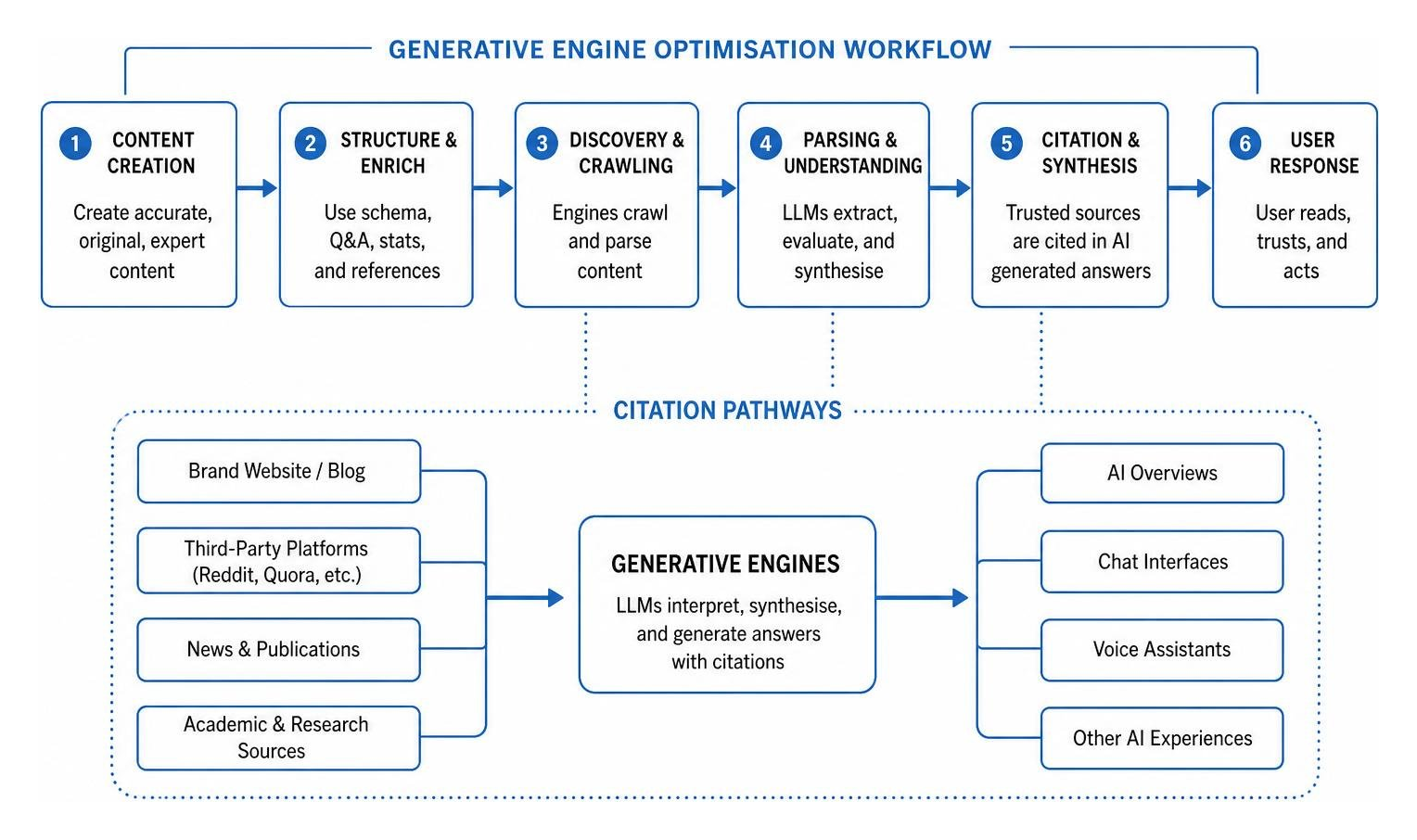
Optimising for generative search engines starts with making your content easier to parse and trust. Generative Engine Optimisation, or GEO, focuses on clear entities, direct answers, structured information, original expertise, and technical accessibility.
| Optimisation Element | Traditional SEO | Generative Engine Optimisation |
|---|---|---|
| Primary Target | Search engine algorithms | Large language models |
| Core Metric | Rankings and clicks | Citations, mentions, impressions, and AI reach |
| Content Format | Keyword-optimised articles | Structured answers, Q&As, expert insights, and schema |
| Key Channels | Owned blog and website | Owned content, third-party forums, social proof, and UGC |
Start by writing the way a helpful expert would explain the topic to a buyer. Use headings that answer real questions, define terms clearly, add concise summaries, and support important claims with reliable sources or first-hand insight. For a practical next step, read Stop Keyword Stuffing and Start Optimizing for AI Search.
Technical crawlability matters too. Keep important text in clean HTML, add relevant schema markup, avoid hiding key content behind complex JavaScript, and make product or service details easy for crawlers to interpret. These basics help both search engines and AI systems understand what your brand should be known for.
Why Third-Party Authority Matters More Now
AI systems do not rely only on your website. They also look for supporting signals across the wider web. That is why community platforms, reviews, expert roundups, digital PR, partner content, and reputable industry mentions can all influence whether your brand appears in AI-generated answers.
This does not mean you need to chase every platform. It means you should identify where your prospective customers already ask questions and make sure your brand has a useful, credible presence there. Reddit, Quora, review sites, and niche industry communities can all support AI visibility when they contain genuine, helpful discussions.
How AuraSearch Helps Brands Build AI Search Visibility
AuraSearch helps businesses improve visibility across traditional search and emerging AI platforms. Our work focuses on the parts of content strategy that now matter most: entity clarity, technical structure, authoritative content, and the signals that help generative engines trust and cite your brand.
Through AI-Driven SEO Tactics for the Modern Marketer, we help turn standard web pages into clearer, more machine-readable resources. The goal is not just to publish more content. It is to make your best content easier for search engines and AI systems to understand, recommend, and connect to buyer intent.
If your team is ready to protect organic visibility and compete for AI citations, AuraSearch can help you build a practical roadmap for the next stage of search.
FAQs
How does generative AI search affect organic website traffic?
Generative AI search can reduce organic website traffic by answering more questions directly in the search experience. Some users no longer need to click through for simple informational queries. That is why brands should pair traffic reporting with AI citation tracking, brand mention monitoring, and conversion quality analysis.
What is the difference between traditional SEO and Generative Engine Optimisation?
Traditional SEO focuses on helping pages rank in standard search results and earn clicks. Generative Engine Optimisation focuses on helping large language models understand, trust, and cite your content inside AI-generated answers. The best strategy uses both.
Why are third-party platforms like Reddit and Quora important for AI search?
Third-party platforms matter because they can show real-world opinions, comparisons, and customer language that AI systems use to validate answers. A helpful presence on the right forums or communities can support your brand authority beyond your own website.
How can businesses optimise their websites for LLM crawlability?
Businesses can improve LLM crawlability by using clean HTML, schema markup, clear headings, concise answers, and accessible product or service information. Avoid placing essential text only inside complex scripts or visual assets that crawlers may struggle to interpret.
What metrics should brands track when organic clicks decline?
Brands should track AI search impressions, citations, brand mentions, share of voice, assisted conversions, and the conversion rate of visitors who do arrive from AI platforms. These metrics show whether your brand is still influencing prospects even when fewer journeys begin with a traditional click.